Galleria Borghese Self-researched
Rome, Italy
Artworks
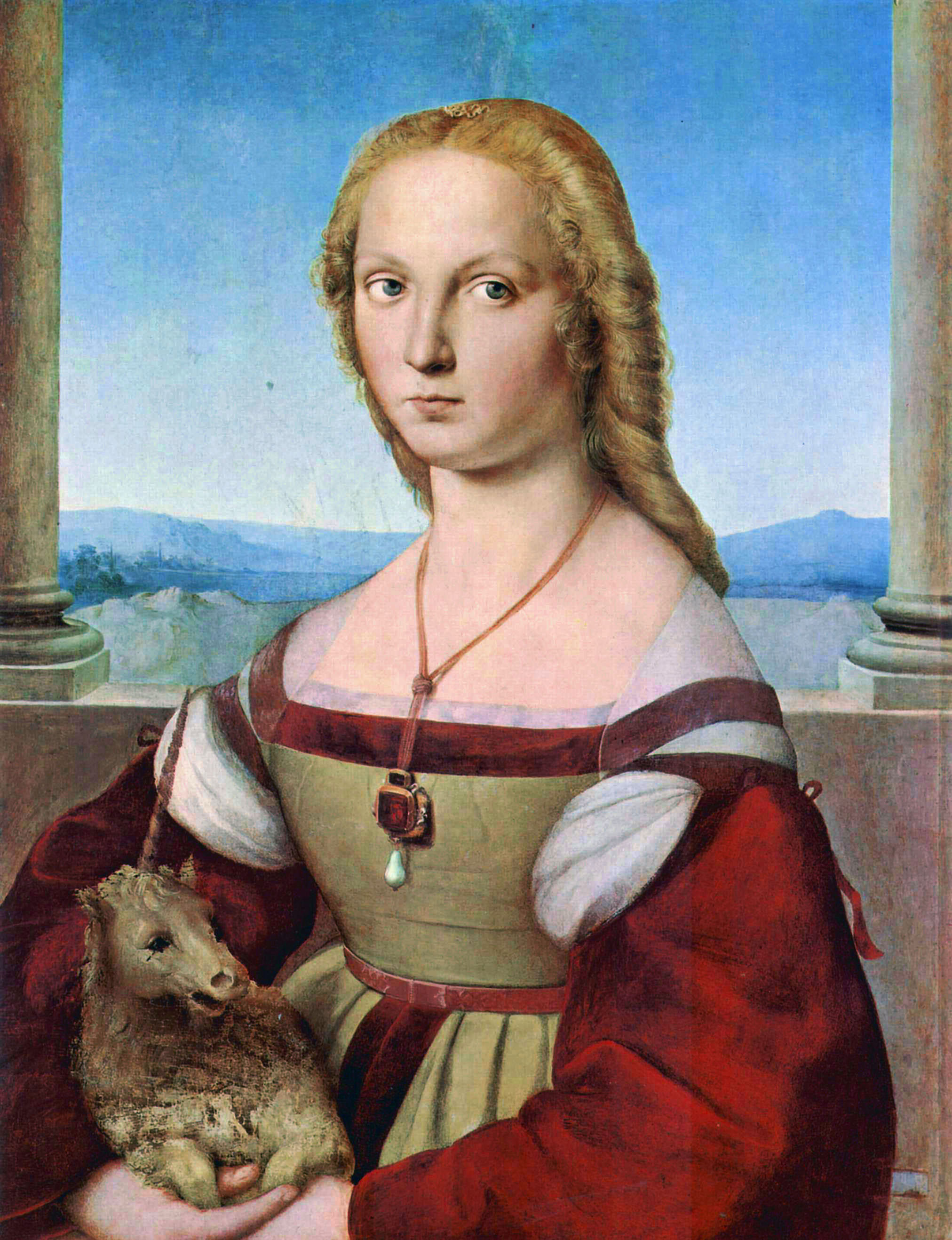
Young Woman with Unicorn Self-researched
A portrait of a young woman holding a small unicorn, a symbol of chastity. The composition shows the influence of Leonardo da Vinci's Mona Lisa.
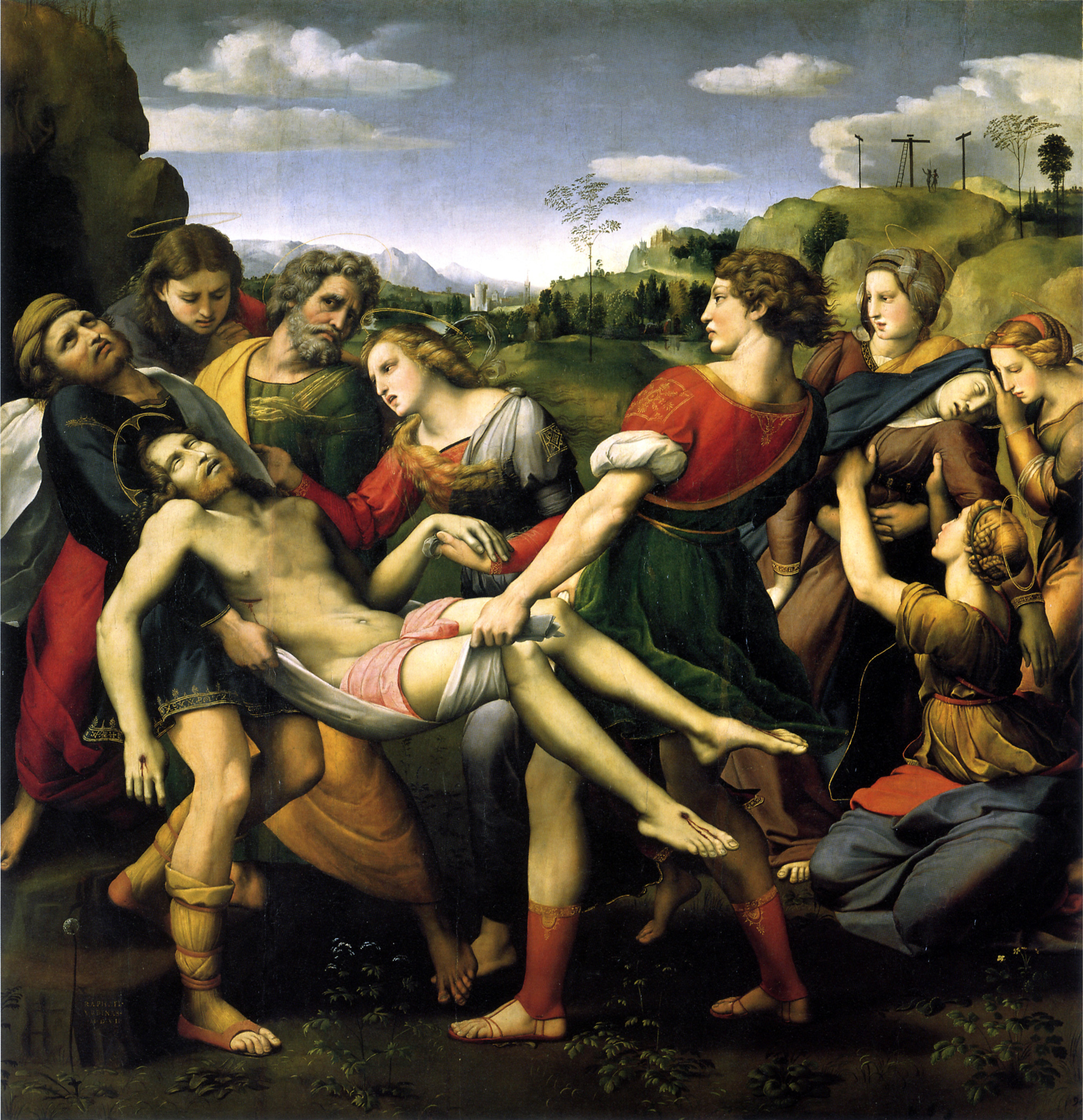
The Deposition Self-researched
Also known as the Pala Baglioni or Borghese Entombment. The central panel of an altarpiece commissioned by Atalanta Baglioni of Perugia in honor of her slain son. Forcibly removed by Cardinal Scipione Borghese in 1608.
Sacred and Profane Love Self-researched
An early masterpiece probably commissioned to celebrate a wedding. The allegorical painting depicts a clothed woman and a nude woman (possibly representing earthly and divine love) seated at a sarcophagus fountain with Cupid.

Danaë Self-researched
A sensuous depiction of the mythological princess Danaë receiving Zeus in the form of a shower of gold. Part of a series of paintings on the loves of Jupiter commissioned by Federico II Gonzaga.

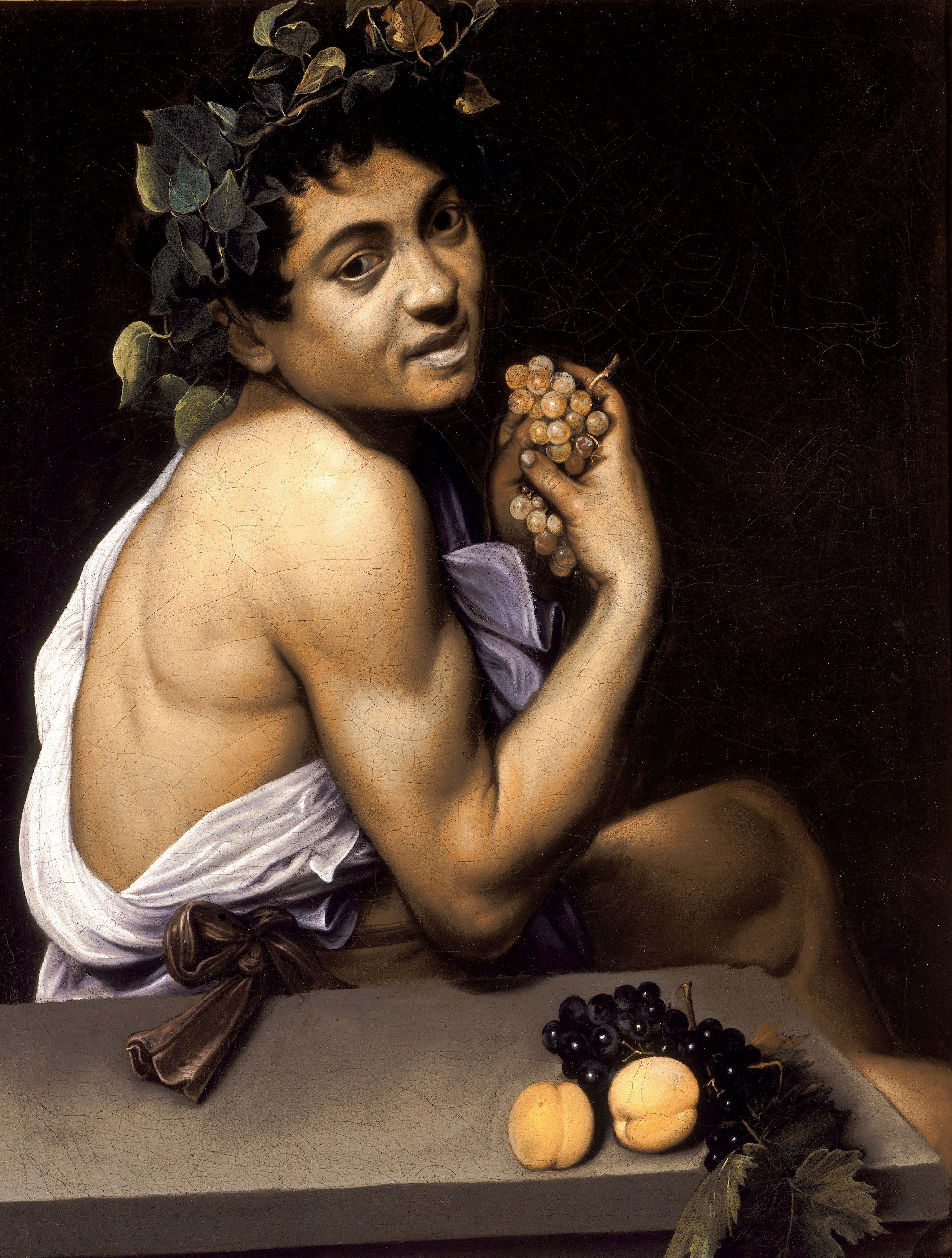
Young Sick Bacchus Self-researched
An early self-portrait depicting the artist as the god Bacchus with a sickly, greenish complexion. According to his biographer Baglione, it was painted using a mirror, possibly during Caravaggio's recovery from illness.
Boy with a Basket of Fruit Self-researched
An early work showing a sensuous young man holding a basket of meticulously rendered fruit. The painting demonstrates Caravaggio's innovative approach to still life and his use of a model from the streets of Rome.

Saint Jerome Writing Self-researched
A contemplative depiction of the Church Father Saint Jerome at his desk, writing with dramatic chiaroscuro lighting. The elderly saint is shown with his traditional attributes including a skull and books.

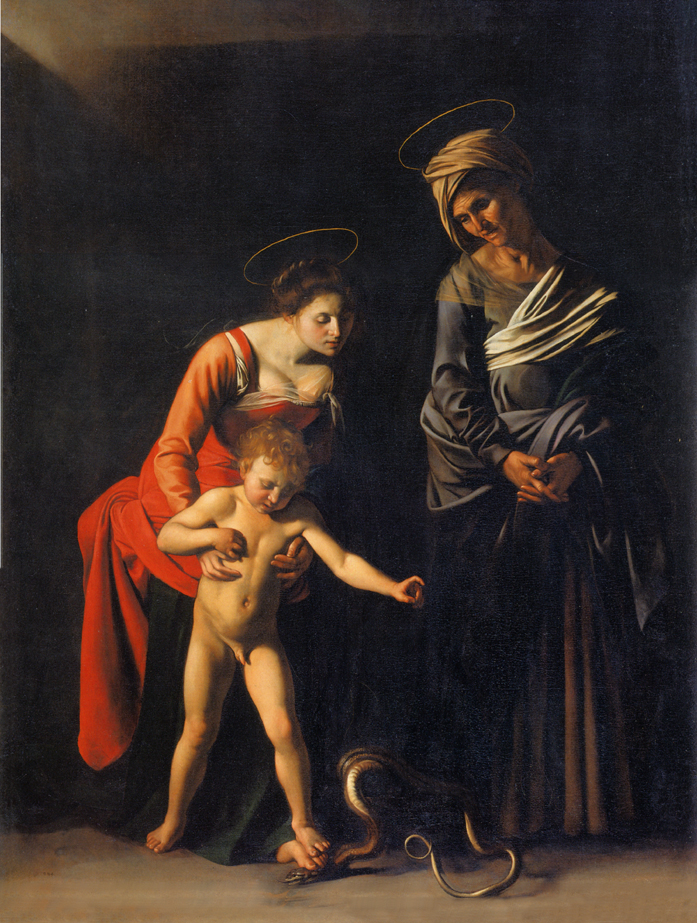
Madonna and Child with Saint Anne (Dei Palafrenieri) Self-researched
Painted for the altar of the Papal Grooms in St. Peter's Basilica but quickly removed due to its unorthodox portrayal, including the nudity of the Christ child. Purchased by Cardinal Scipione Borghese after its rejection.

David with the Head of Goliath Self-researched
A haunting depiction of the young David holding the severed head of Goliath. The head of Goliath is believed to be a self-portrait of Caravaggio, painted during his final years while fleeing a murder charge.
Aeneas, Anchises, and Ascanius Self-researched
A sculpture depicting a scene from Virgil's Aeneid, where the hero Aeneas leads his family from burning Troy, carrying his aged father Anchises on his shoulders while his young son Ascanius follows.

The Rape of Proserpina Self-researched
A large Baroque marble group depicting the abduction of Proserpina by Pluto. Completed when Bernini was just 23, it features remarkable technical virtuosity in rendering flesh and movement in marble, with Pluto's fingers pressing into Proserpina's thigh.

Apollo and Daphne Self-researched
A life-sized marble sculpture depicting the climax of the myth from Ovid's Metamorphoses, where the nymph Daphne escapes Apollo's advances by transforming into a laurel tree. Regarded as one of the artistic marvels of the Baroque age.

David Self-researched
A life-size marble sculpture commissioned by Cardinal Scipione Borghese. Unlike Michelangelo's contemplative David, Bernini captures the biblical hero in dynamic action, mid-throw with his sling.

Venus Victrix Self-researched
A semi-nude, life-size reclining neo-Classical portrait sculpture of Pauline Bonaparte, Napoleon's sister and wife of Camillo Borghese. It depicts her in the guise of Venus holding the apple of Paris, reviving ancient Roman traditions of portraying mortals as deities.
