Caravaggio Self-researched
Born: 1571, Milan Died: 1610, Porto Ercole Source: self-research
Michelangelo Merisi da Caravaggio was an Italian painter whose dramatic use of chiaroscuro lighting had a formative influence on Baroque painting. He fled Rome after killing a man in 1606 and spent his final years in Naples, Malta, and Sicily. Six of his masterpieces are in the Galleria Borghese.
Artworks
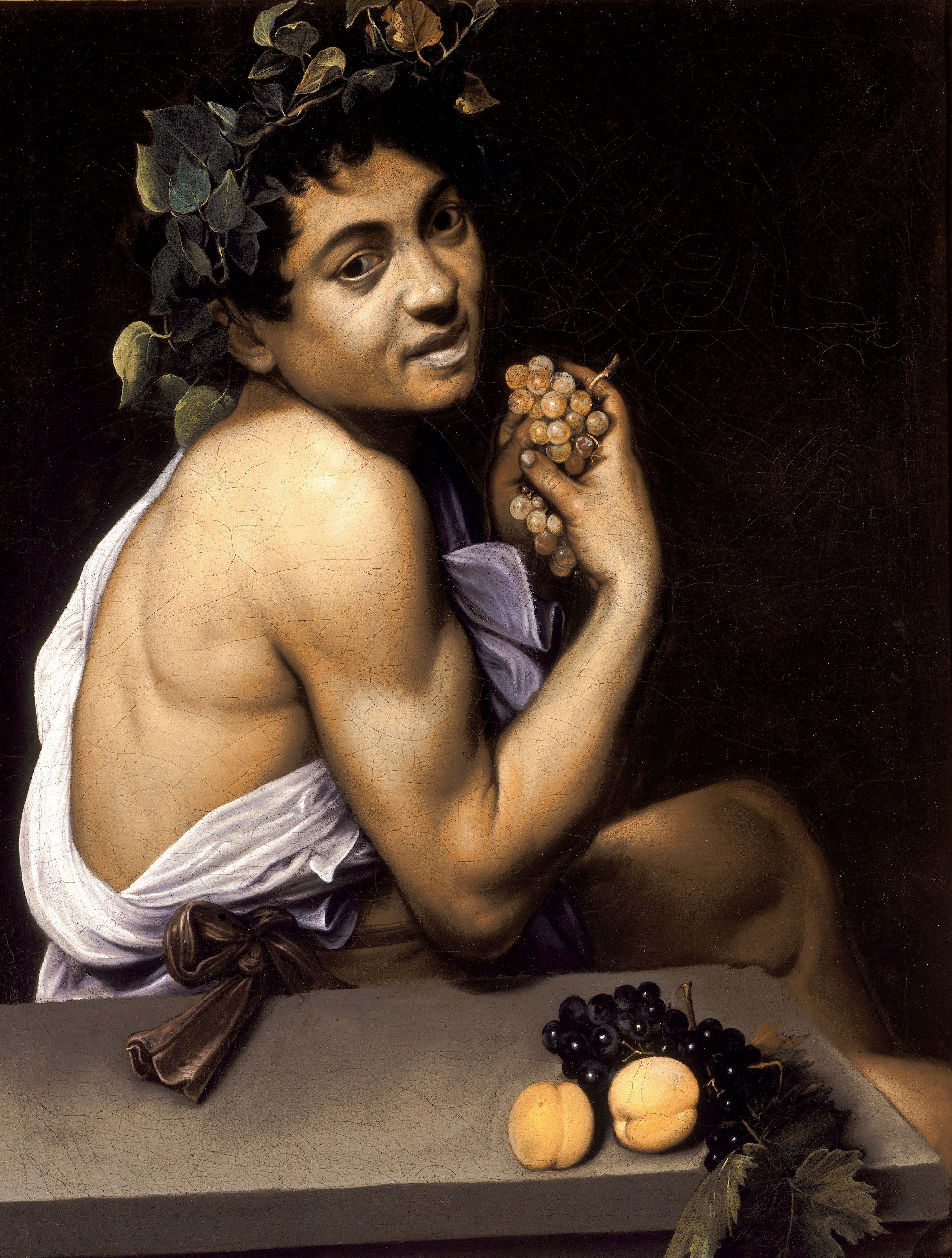
Young Sick Bacchus Self-researched
An early self-portrait depicting the artist as the god Bacchus with a sickly, greenish complexion. According to his biographer Baglione, it was painted using a mirror, possibly during Caravaggio's recovery from illness.
Boy with a Basket of Fruit Self-researched
An early work showing a sensuous young man holding a basket of meticulously rendered fruit. The painting demonstrates Caravaggio's innovative approach to still life and his use of a model from the streets of Rome.

Saint Jerome Writing Self-researched
A contemplative depiction of the Church Father Saint Jerome at his desk, writing with dramatic chiaroscuro lighting. The elderly saint is shown with his traditional attributes including a skull and books.

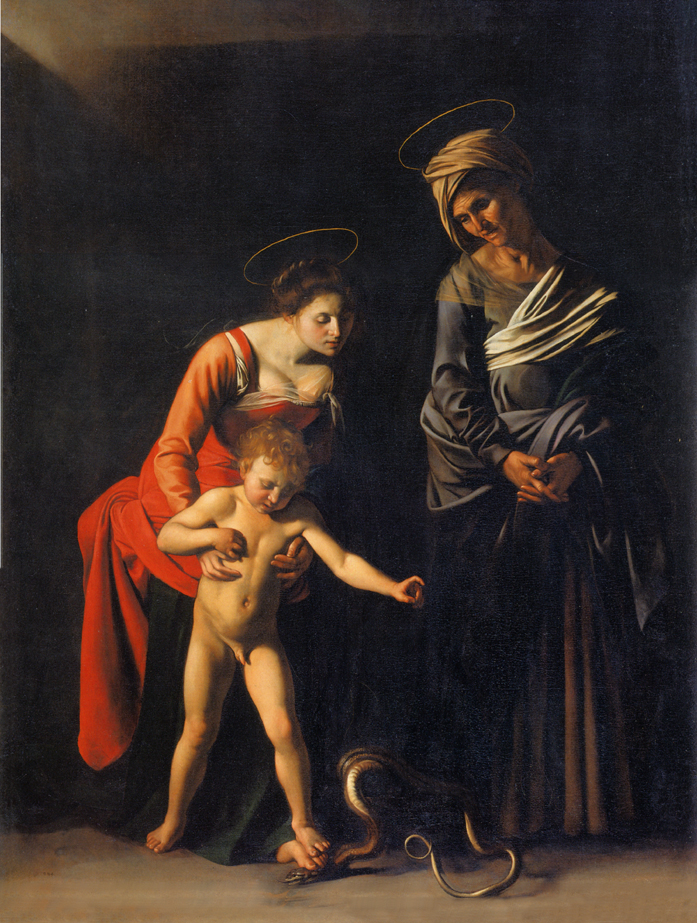
Madonna and Child with Saint Anne (Dei Palafrenieri) Self-researched
Painted for the altar of the Papal Grooms in St. Peter's Basilica but quickly removed due to its unorthodox portrayal, including the nudity of the Christ child. Purchased by Cardinal Scipione Borghese after its rejection.

David with the Head of Goliath Self-researched
A haunting depiction of the young David holding the severed head of Goliath. The head of Goliath is believed to be a self-portrait of Caravaggio, painted during his final years while fleeing a murder charge.