Pompeii Archaeological Park Self-researched
Campania, Italy
Artworks
Virgil Quotations Self-researched
More than fifty examples of graffiti referring to Virgil have been found in Pompeii, with the majority quoting the opening lines of Book 1 or Book 2 of the Aeneid. Scholar Mary Beard suggests these lines may have been widely known in the same way "To be, or not to be" is recognized today—evidence of basic literacy and cultural education among ordinary Romans.
Villa of the Mysteries Frescoes Self-researched
A well-preserved suburban villa on the outskirts of Pompeii, famous for the series of exquisite frescoes in Room 5. The paintings are usually interpreted as showing the initiation of a bride into the Dionysian Mysteries, a Greco-Roman mystery cult. These are among the best known survivals of ancient Roman painting from the 1st century BC, executed in the Second Style.

Suburban Baths Erotic Frescoes Self-researched
Located in the apodyterium (dressing room) of the Suburban Baths near Porta Marina, these are the only set of erotic wall paintings found in a public Roman bath house. Seven sexual scenes and one figure with an enlarged scrotum are depicted above numbered boxes, possibly serving as a humorous method for reminding bathers where they left their clothes. Discovered in 1986.

"Sappho" Fresco Self-researched
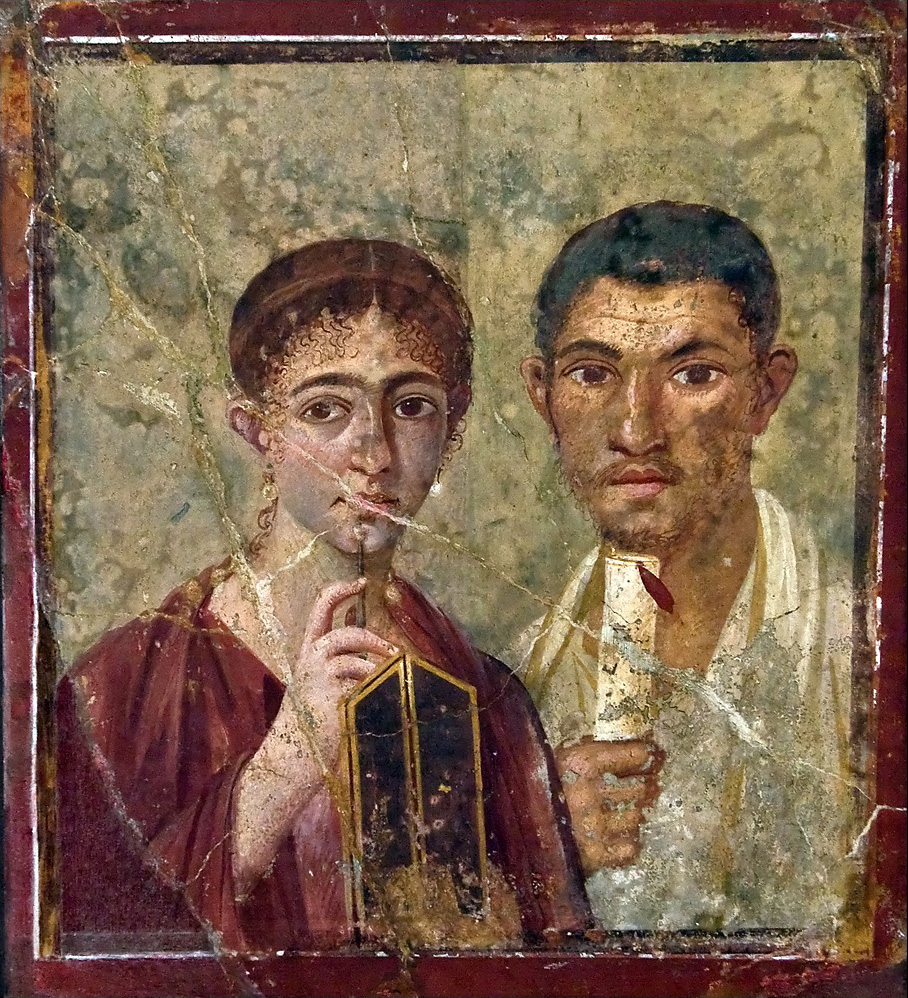
Also known as Portrait of a Young Woman with Stylus, this fresco depicts a finely dressed young woman with a writing tablet and stylus, indicating literacy and education. Recovered in 1760, it is displayed at the National Archaeological Museum, Naples, alongside the Portrait of Terentius Neo. Executed in the Fourth Style of Pompeian painting.

"Quisquis Amat" Inscription Self-researched
A famous inscription lamenting frustrated love: "Quisquis amat valeat, pereat qui nescit amare, bis tanto pereat quisquis amare vetat" ("Whoever loves, let him flourish; let him perish who knows not love; let him perish twice over whoever forbids love"). This graffito captures the passionate sentiments of ancient Romans.
Priapus Fresco (House of the Vettii) Self-researched
Located in the vestibule of the House of the Vettii, this famous fresco depicts Priapus, the god of fertility, weighing his oversized phallus against a bag of gold coins. The Romans believed Priapus served as a talisman protecting the riches of the house. The fresco was covered with plaster and only rediscovered in 1998 due to rainfall.

Portrait of Terentius Neo Self-researched
A Roman fresco depicting a couple holding objects important to literacy—he holds a scroll while she holds a stylus and wax tablet. Found in the House of Terentius Neo, it is considered one of the finest pieces of art from the area of Vesuvius. Now in the National Archaeological Museum, Naples.
Ovid's Heroides Reference Self-researched
An unusual literary inscription referencing Ovid's Heroides 4, the poem about Phaedra falling in love with her stepson Hippolytus. This graffito was found near a painting, suggesting an educated viewer engaged with the artwork through literary association—evidence of sophisticated cultural dialogue in ancient Pompeii.
Lupanar Graffiti Self-researched
Over 150 graffiti inscriptions have been transcribed from Pompeii's most famous brothel. The texts include greetings, boasts, poems, death notices, and compliments in Latin, Greek, and native Oscan. The presence of graffiti served as one of the criteria for identifying the building as a brothel. These inscriptions provide insight into the multilingual nature of Roman Pompeii and the demographics of those who frequented such establishments.
Lupanar Frescoes Self-researched
The Lupanar is the most famous ancient Roman brothel in Pompeii, known for the erotic paintings on its walls above each of the five doorways on the ground floor. These frescoes may have served as a menu of services or simply as decoration. Pompeii was closely associated with Venus, goddess of love.

House of the Vettii Frescoes Self-researched
A domus owned by two successful freedmen, Aulus Vettius Conviva and Aulus Vettius Restitutus. Contains twelve mythological scenes across four cubiculums and one triclinium, completed after the earthquake of 62 AD in the Fourth Style. The entrance features a famous fresco of Priapus. Reopened to tourists in 2023 after two decades of restoration.

House of the Tragic Poet Self-researched
A Roman house famous for its elaborate mosaic floors and frescoes depicting scenes from Greek mythology. Most famous for the "Cave Canem" (Beware of the Dog) mosaic in the vestibule, showing a chained dog with a warning to visitors. The house features scenes from the Iliad and other classical subjects.
House of the Faun Self-researched
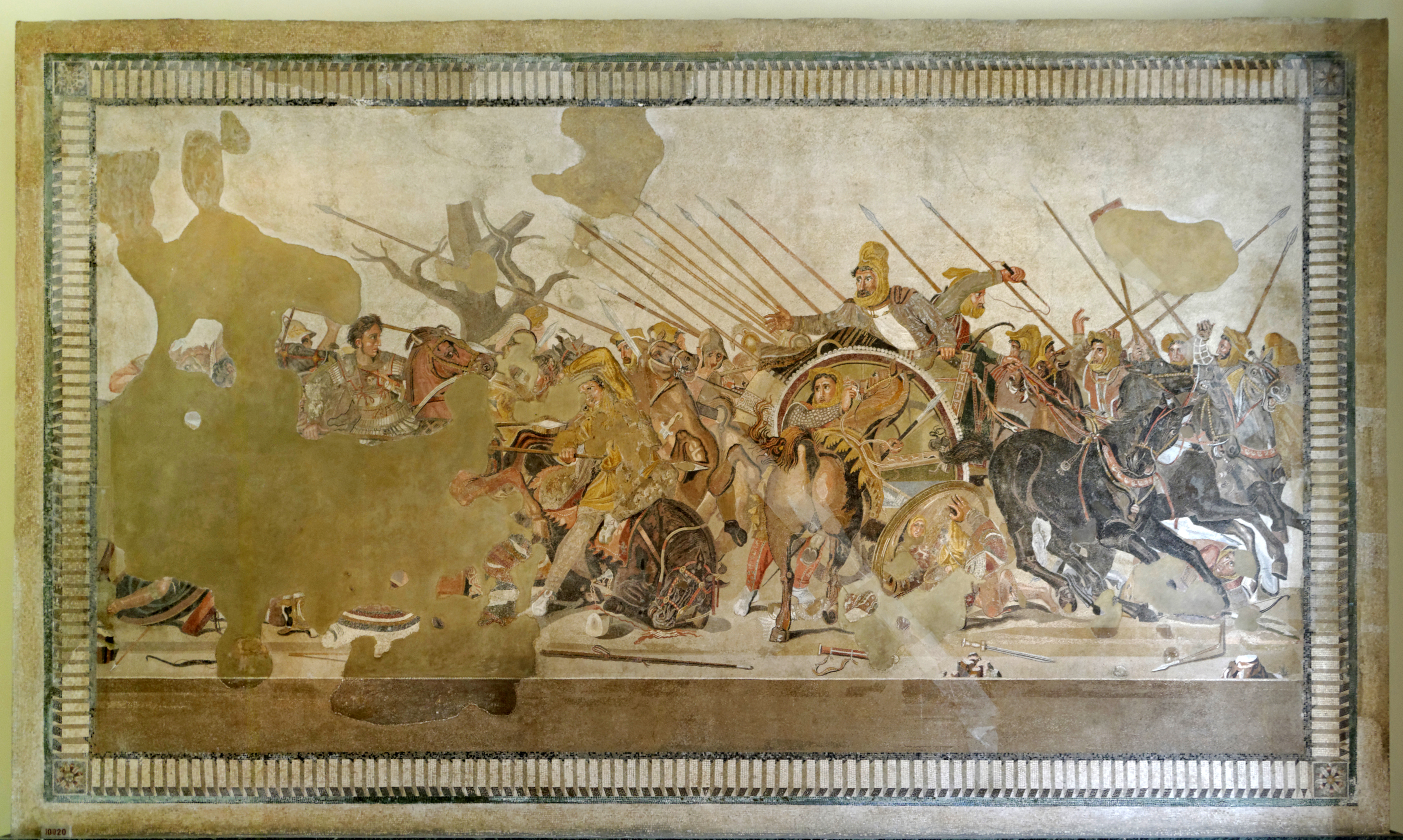
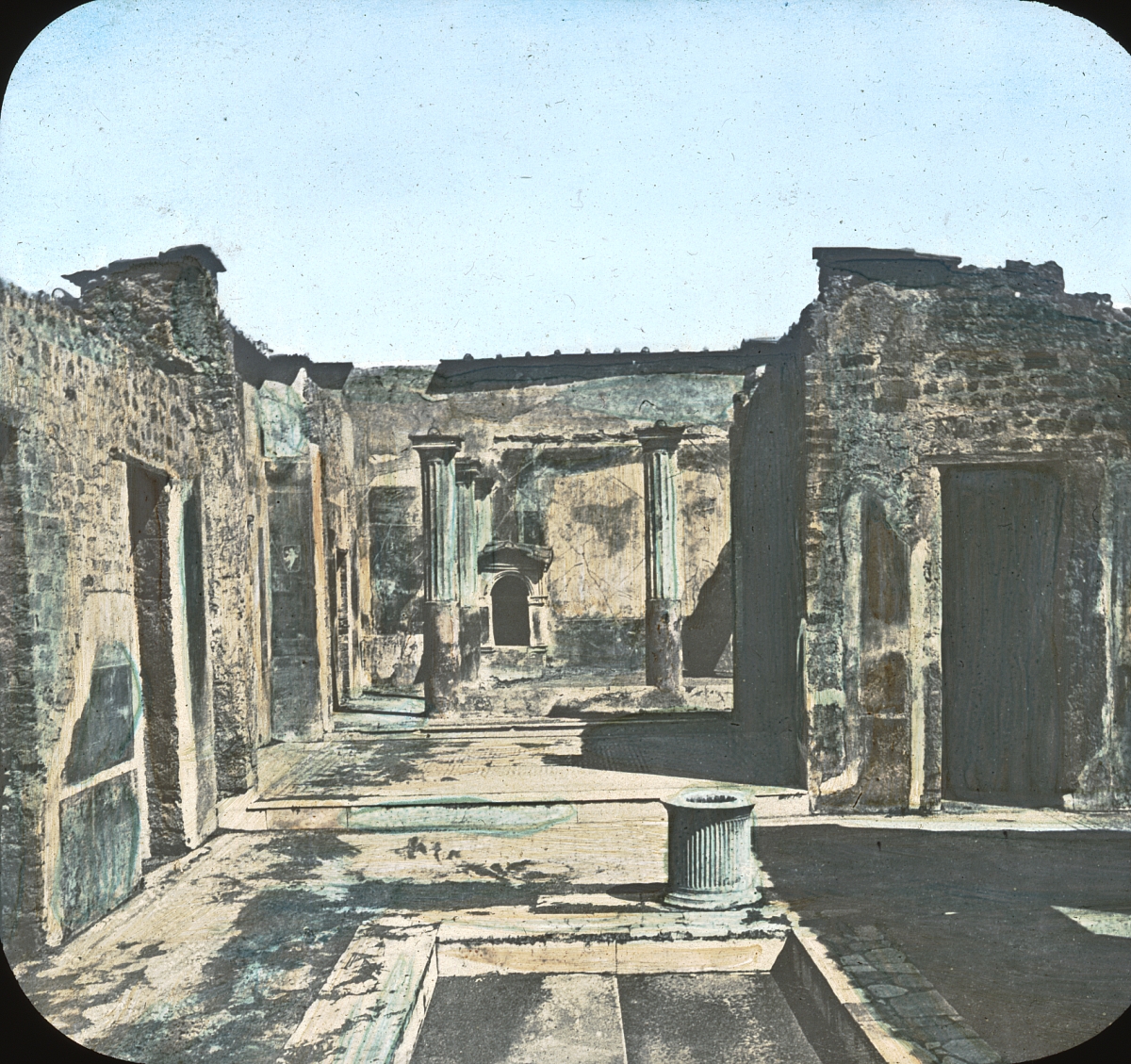
A grand Hellenistic residence that is one of the most luxurious aristocratic houses from the Roman Republic. Named for its famous bronze Dancing Faun statue in the impluvium. The house contained numerous masterpieces including the Alexander Mosaic, Nilotic scenes, and theatrical masks. It reflects this period better than most archaeological evidence found even in Rome itself.

Garden of the Fugitives Self-researched
An archaeological site containing the plaster casts of 13 victims of the eruption of Mount Vesuvius in 79 AD. The casts were made by pouring plaster into the cavities left in the volcanic ash where the victims' bodies had decomposed, preserving their final moments in haunting detail.

Erotic Art in Pompeii and Herculaneum Self-researched
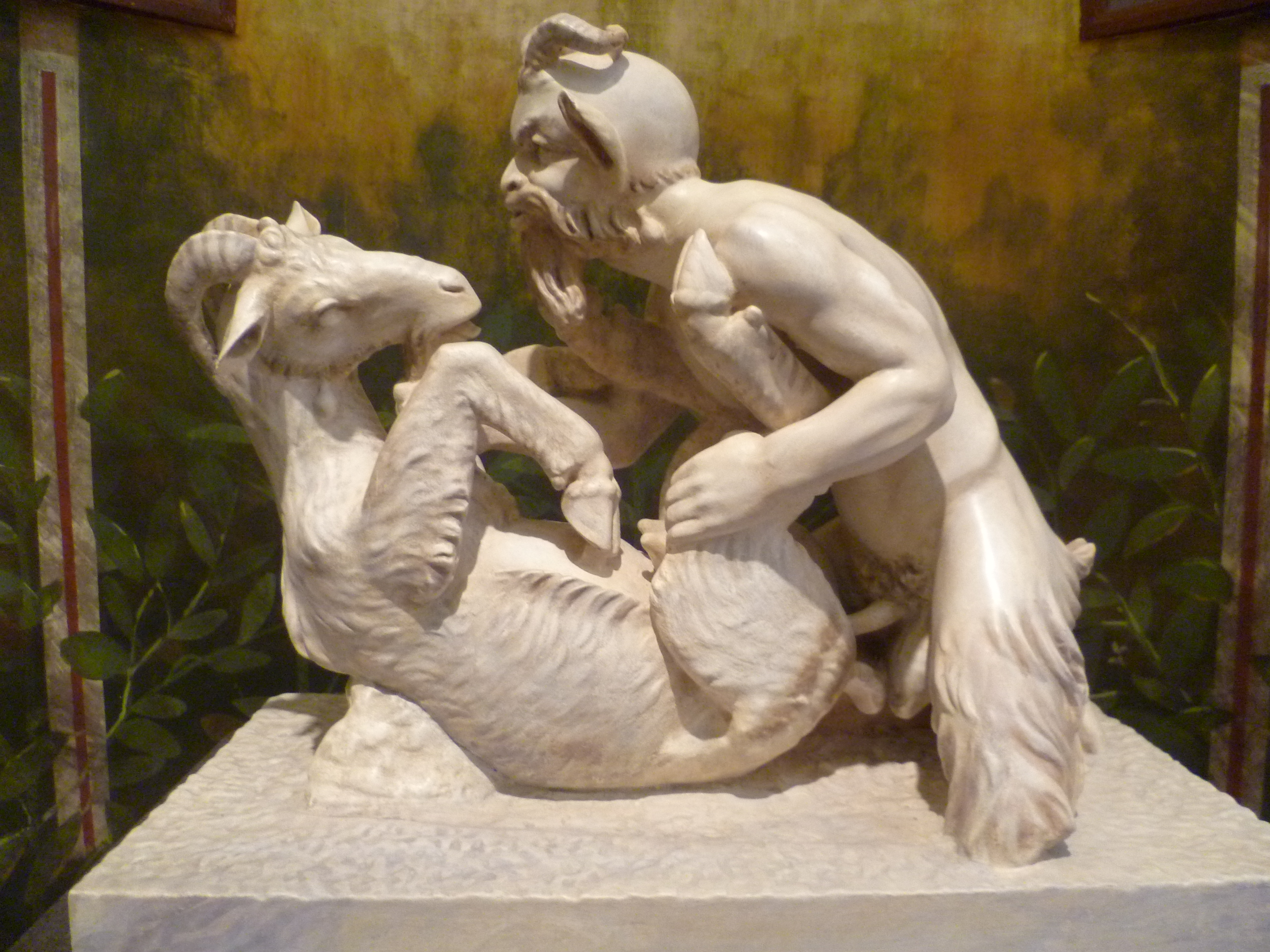
The excavations of Pompeii and Herculaneum revealed cities rich in erotic artifacts including statues, frescoes, and household items decorated with sexual themes. The ubiquity of such imagery indicates that Roman attitudes toward sexual iconography were more relaxed than in modern Western culture. Much erotic art was also associated with fertility and religious practices related to Venus, the divine protector of Pompeii.
CIL 4.5296 Self-researched
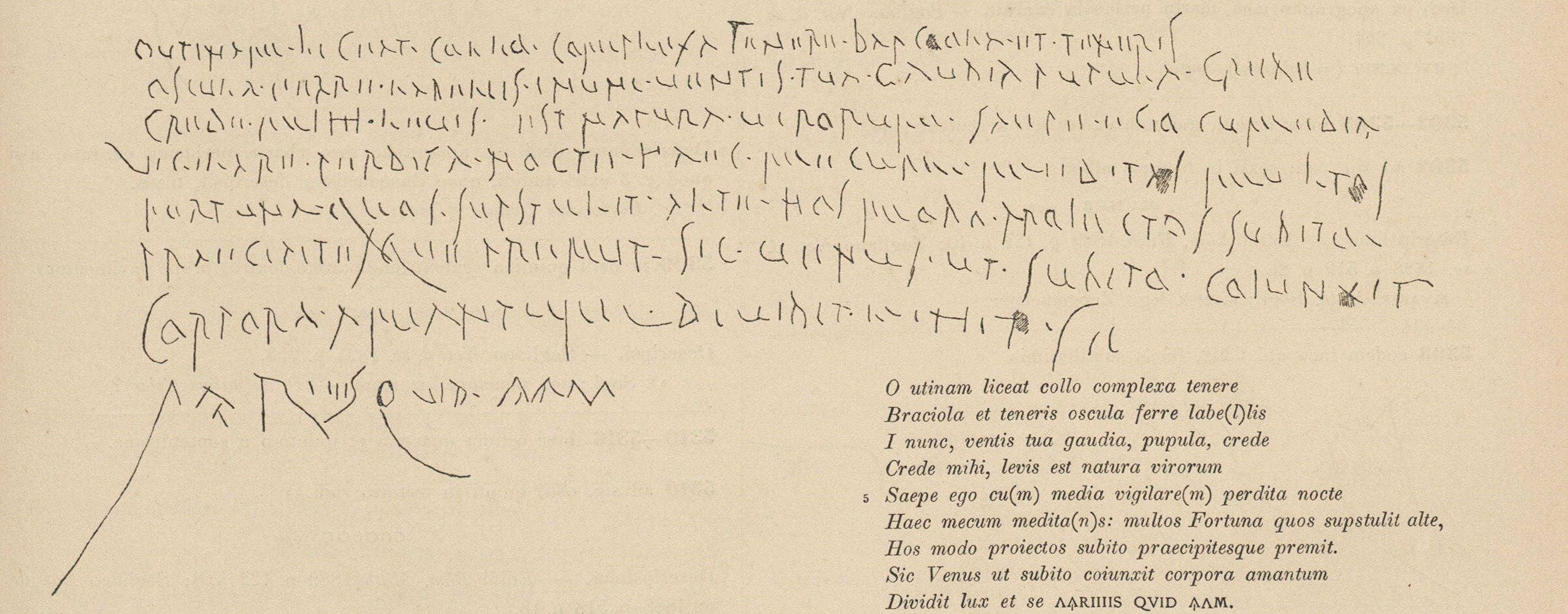
One of the longest and most elaborate surviving graffiti texts from Pompeii, discovered in 1888. This nine-verse love poem may be the only known love poem from one woman to another from the Latin world. Written in the voice of a woman addressing another woman as "pupula" (my little darling), it represents a rare intimate glimpse into female relationships in antiquity.
Basilica Graffiti Self-researched
The Basilica, Pompeii's main judicial and commercial building, contained numerous graffiti including the crude inscription "Lucilla made money from her body." Such graffiti demonstrates that Romans from all social classes participated in wall writing, using public spaces to spread gossip, insults, and commentary.
Amphitheatre of Pompeii Self-researched
One of the oldest surviving Roman amphitheatres, built during the early Roman colony of Pompeii. It could seat approximately 20,000 spectators for gladiatorial games and other spectacles. A remarkable example of Roman engineering and public entertainment architecture.

Alexander Mosaic Self-researched
Also known as the Battle of Issus Mosaic, this Roman floor mosaic was originally from the House of the Faun in Pompeii. It depicts a battle between the armies of Alexander the Great and Darius III of Persia, comprising over 50 figures with meticulous detail and captured expressions. The original is now in the National Archaeological Museum, Naples.