Donatello
Born: c. 1386, Florence, Republic of Florence Died: December 13, 1466, Florence
Born Donato di Niccolò di Betto Bardi, Donatello was an Italian sculptor of the Renaissance period. He studied classical sculpture and developed an Early Renaissance style. Belonged to the Arte di Pietra e Legname, the guild of workers in stone and wood. His periods in Rome, Padua, and Siena introduced his techniques to other parts of Italy.
Artworks
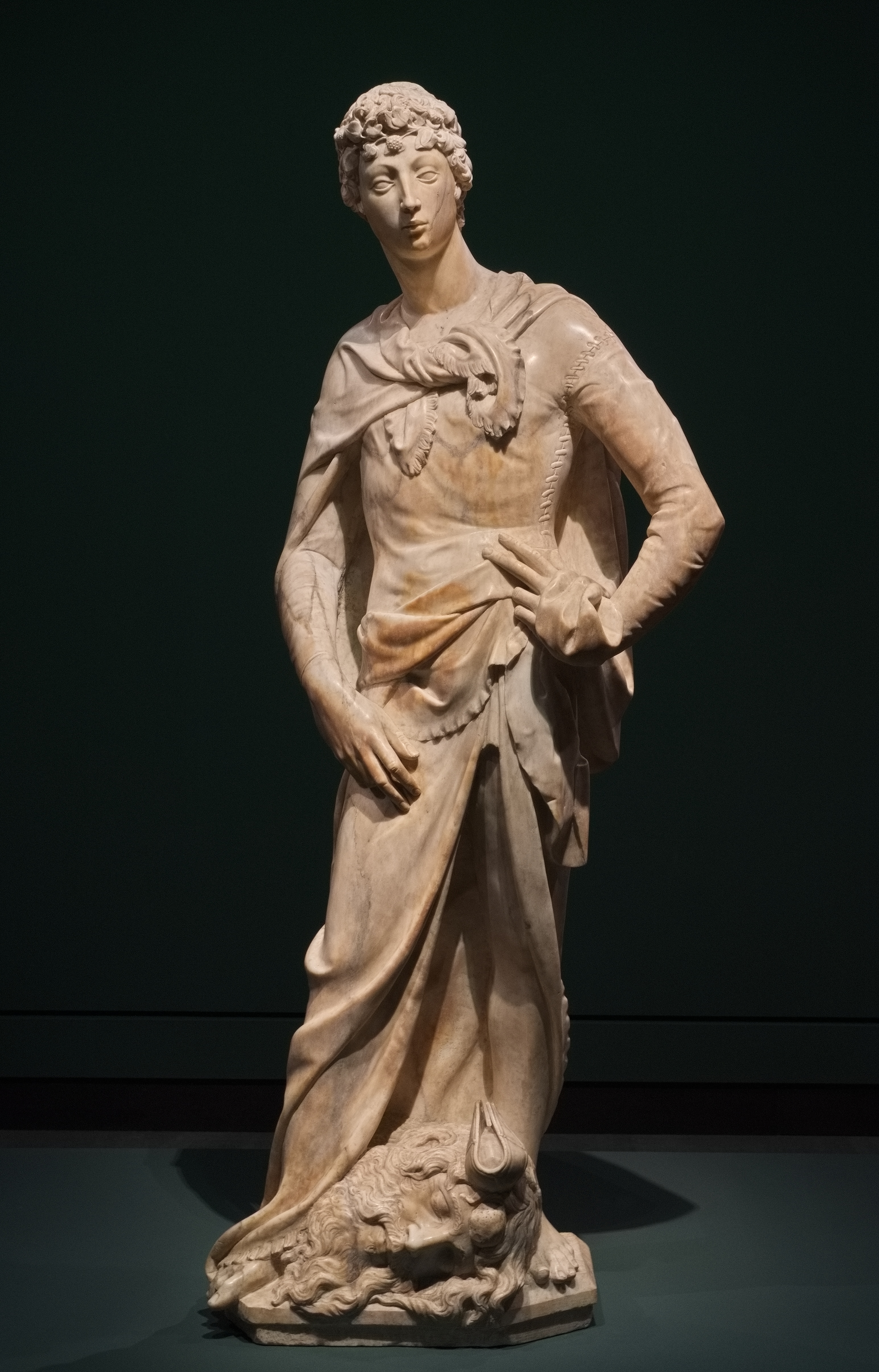
Marble David
First large-scale nude sculpture since antiquity.
St. Mark
Commissioned for the Arte dei Linaioli e Rigattiri (linen weavers and peddlers). Cloth and drapery are more natural and realistic than Ghiberti's St. John the Baptist.
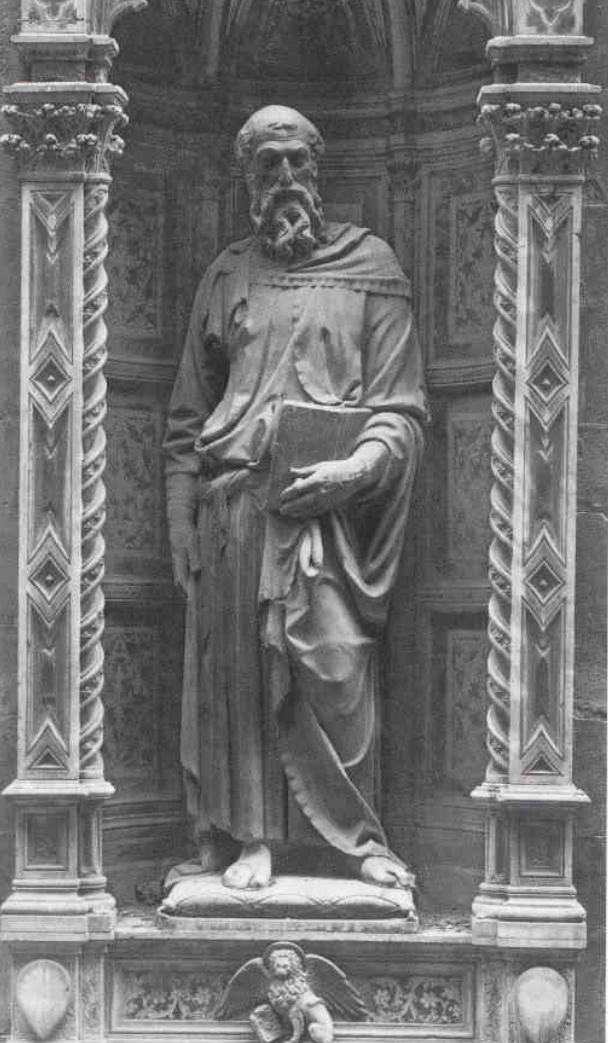
Saint Mark Self-researched
A marble statue standing approximately 7 ft 9 in (2.36 m) high, commissioned by the linen-drapers' guild (Arte dei Linaioli e Rigattieri). It depicts Mark the Evangelist with extraordinary naturalism in the drapery and pose. The figure stands in a confident contrapposto, with weight shifted to one leg, creating a sense of life and movement. The statue originally was displayed in an exterior niche of the church, where a copy now stands. The original has been moved inside the building, which is now a museum. Michelangelo reportedly said that he had "never seen a figure with more of the appearance of a good man than this."
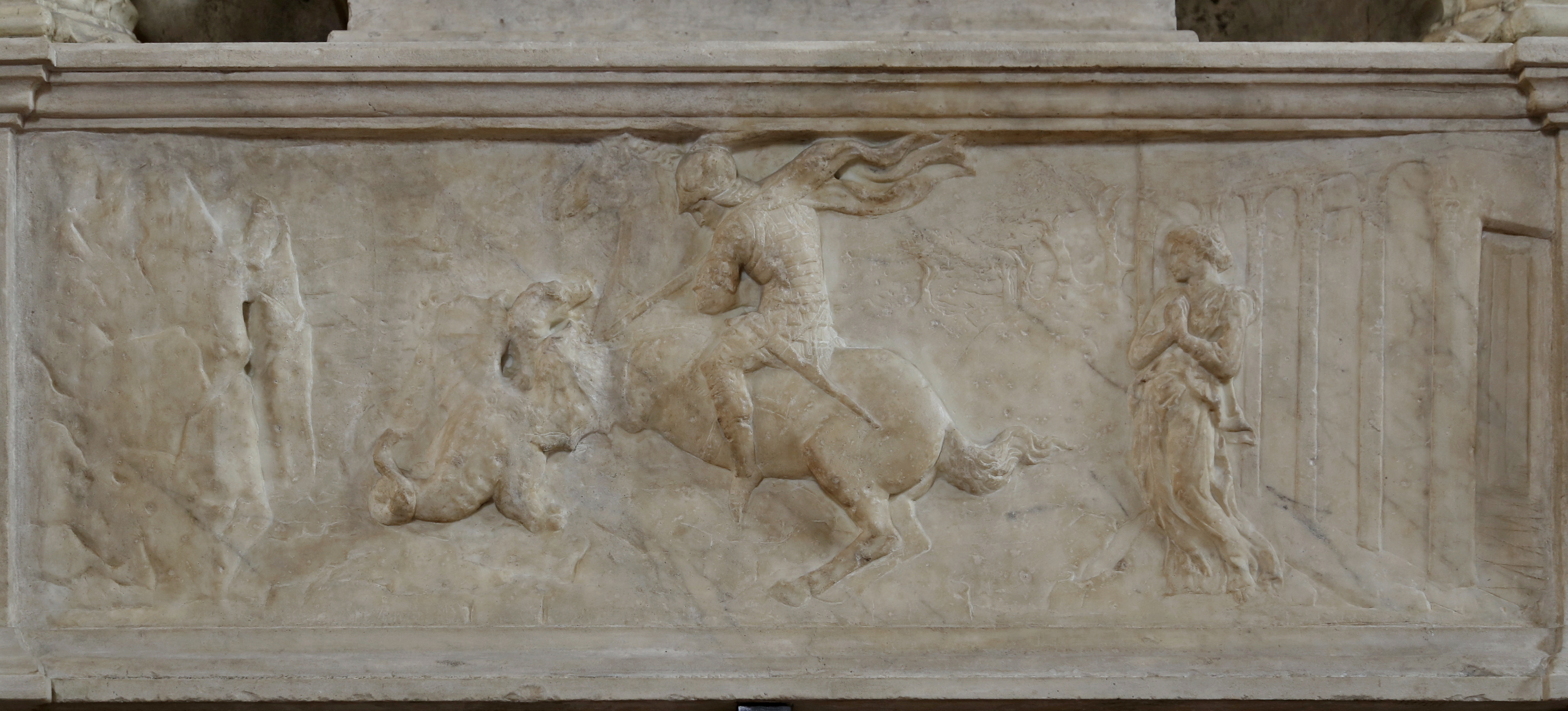
St. George and the Dragon
Predella relief originally below the St. George statue. Features a new approach that focuses on light and shadows, letting the figure blend into the background.
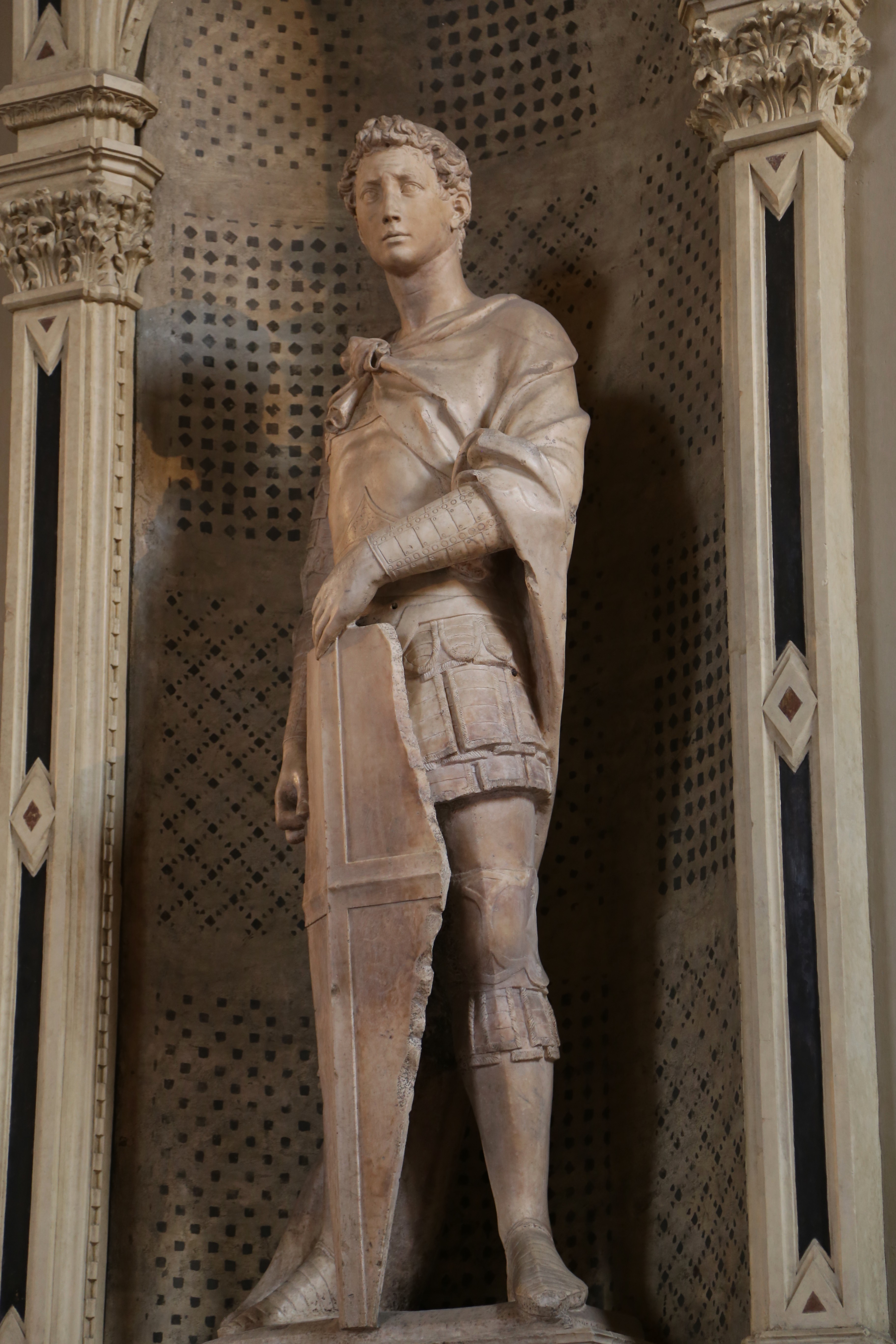
St. George
Originally part of the sculptural program at Orsanmichele, now in the Bargello.
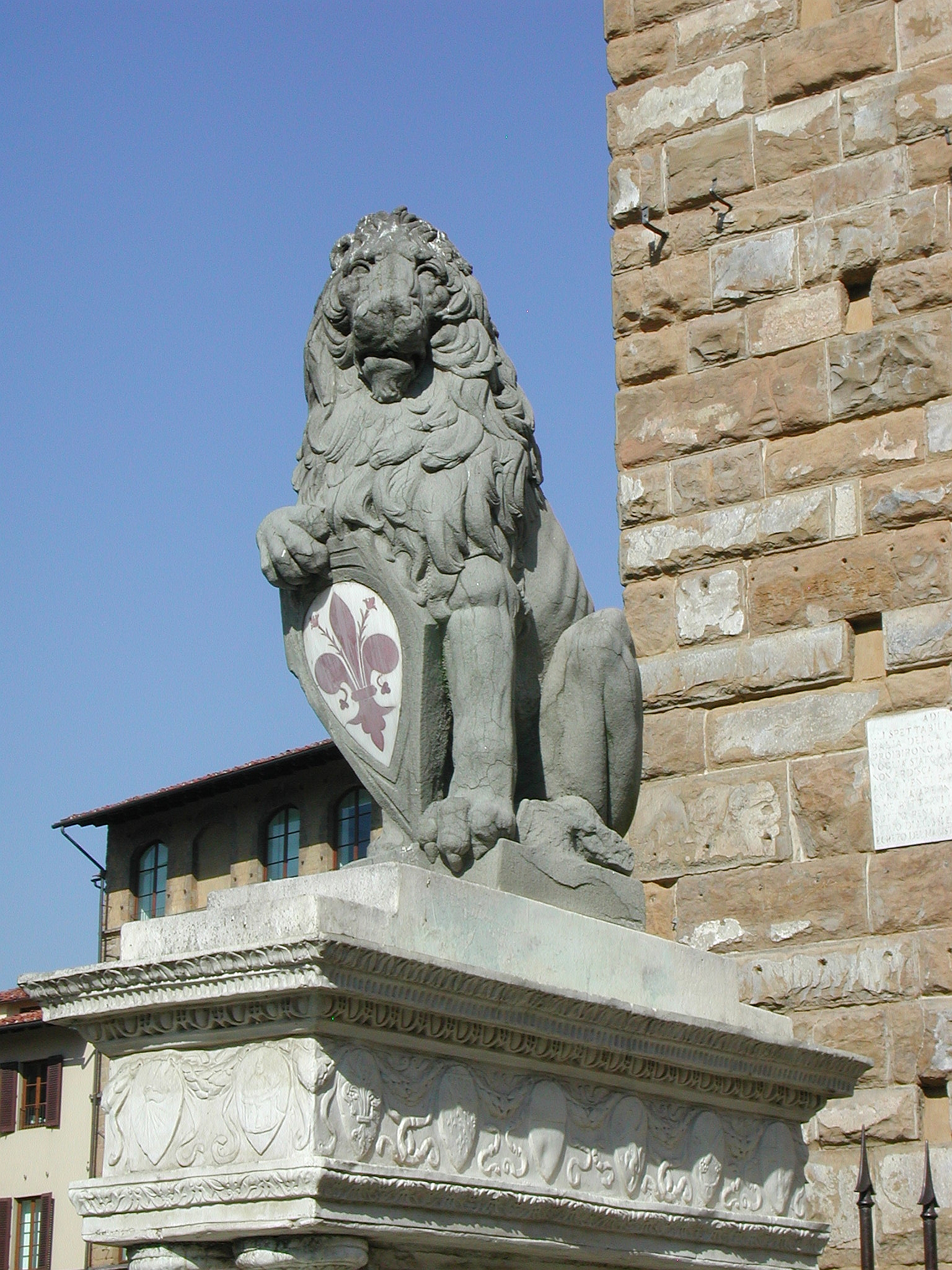
Marzocco Self-researched
The Marzocco is the heraldic lion that is a symbol of Florence. Donatello's version was apparently the first piece of public secular sculpture commissioned by the Republic of Florence, in the late 14th century. The lion originally stood at the heart of the city in the Piazza della Signoria at the end of the platform attached to the Palazzo Vecchio called the ringhiera, from which speakers traditionally harangued the crowd. This iconic representation of Florentine civic pride holds a shield bearing the lily emblem of Florence. The original is now in the Bargello, with a copy in the original location.
Zuccone (Prophet Habakkuk) Self-researched
A marble statue commissioned for Giotto's Campanile. The popular name "Zuccone" (pumpkin) refers to the figure's bald head. Though traditionally identified as the prophet Habakkuk, Vasari suggests it may be a portrait of Giovanni di Barduccio Cherichini. The sculpture demonstrates Donatello's mastery of psychological realism and expressive characterization.

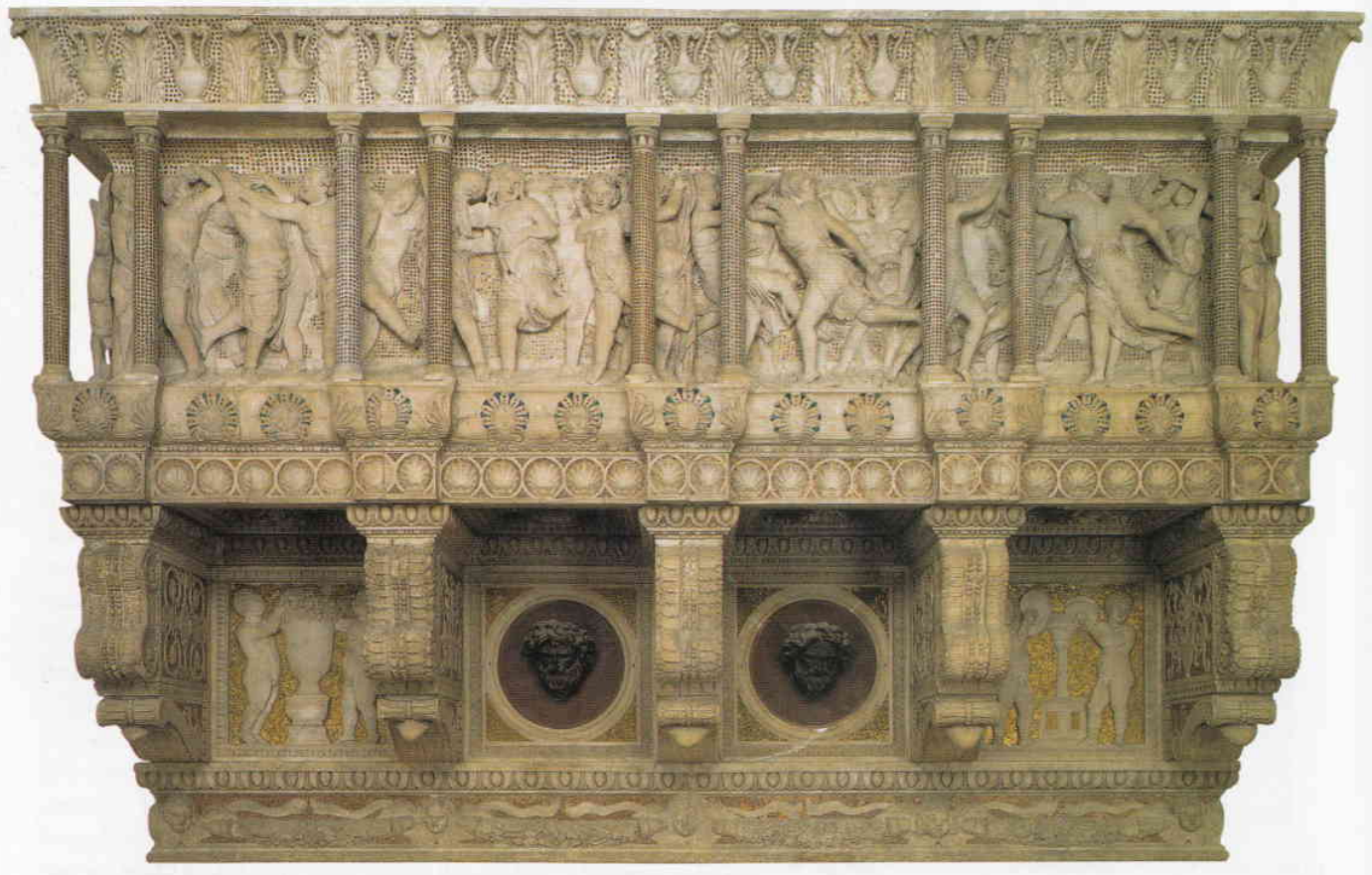
Cantoria (Donatello) My Study Self-researched
Singing gallery (cantoria) originally made for Florence Cathedral. Donatello's companion singing gallery to della Robbia's cantoria. Features a continuous frieze of exuberant putti (cherubs) dancing behind columns, creating a sense of joyous movement and energy.
Saint John the Baptist Self-researched
The only statue by Donatello still in Venice. This wooden sculpture was restored in 1973, revealing the artist's signature with the date 1438. Located in the Cappella di San Giovanni Battista.

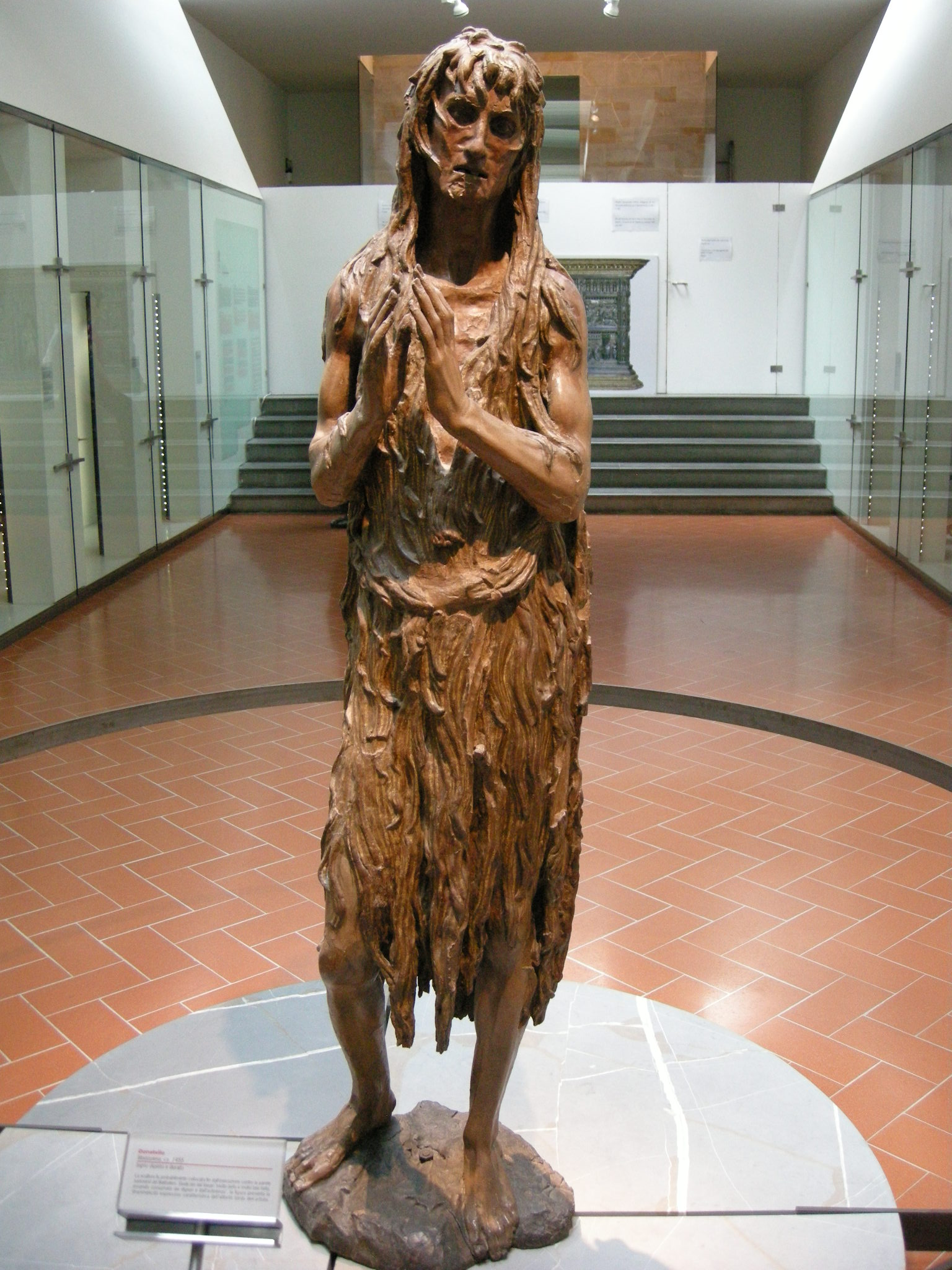
Penitent Magdalene My Study Self-researched
A powerful wooden sculpture of Mary Magdalene, probably commissioned for the Florence Baptistery. The piece was received with astonishment for its unprecedented realism, depicting the penitent saint as an emaciated, aging figure. Late work by Donatello demonstrating his expressive late style.
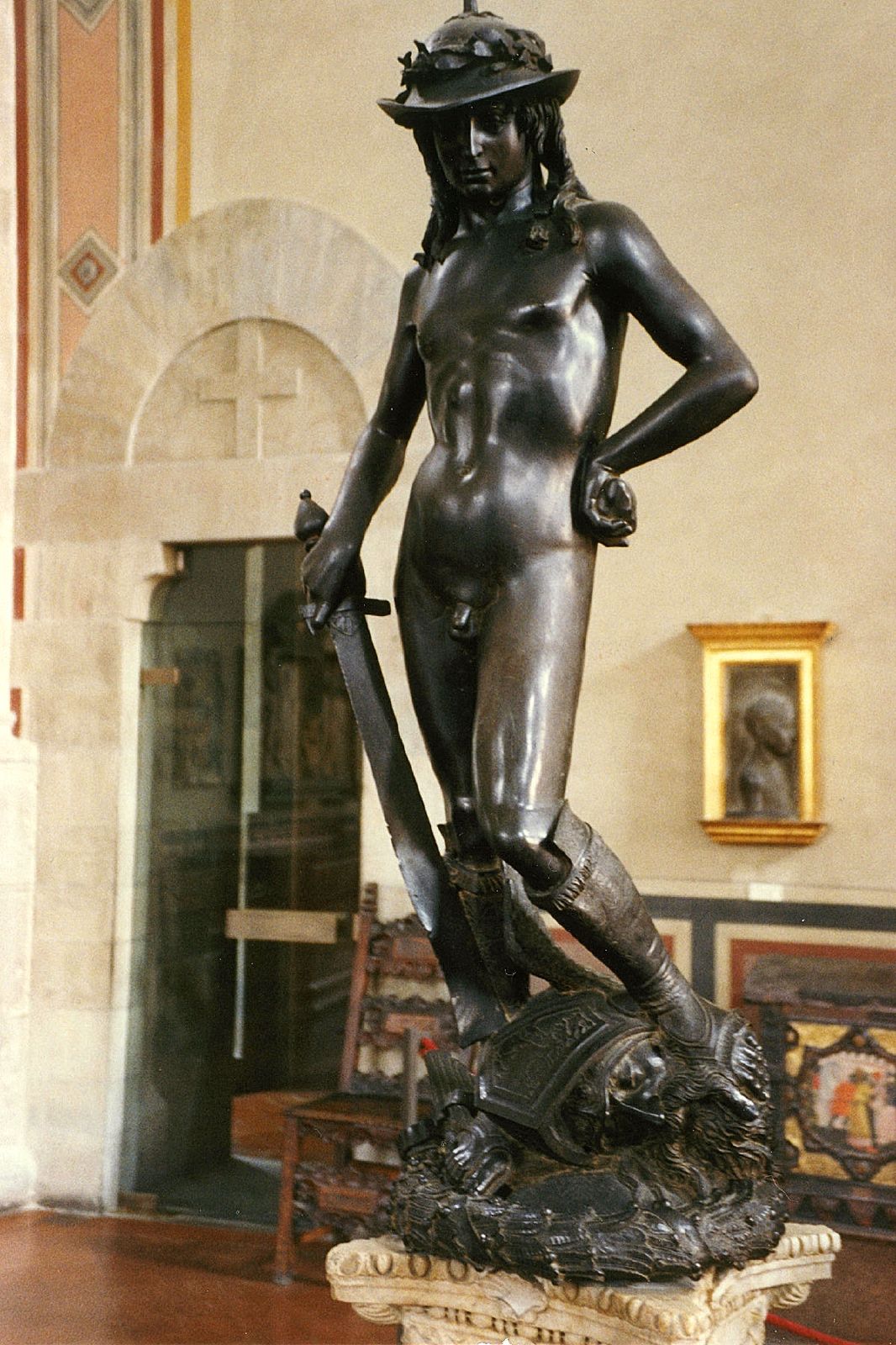
Bronze David
First large-scale nude sculpture since antiquity. The first unsupported standing work of bronze cast during the Renaissance, and the first freestanding nude male sculpture made since antiquity. The pose is derived from contrapposto, with the left knee coming forward against the cloth. David is depicted with an enigmatic smile, posed with his foot on Goliath's severed head.
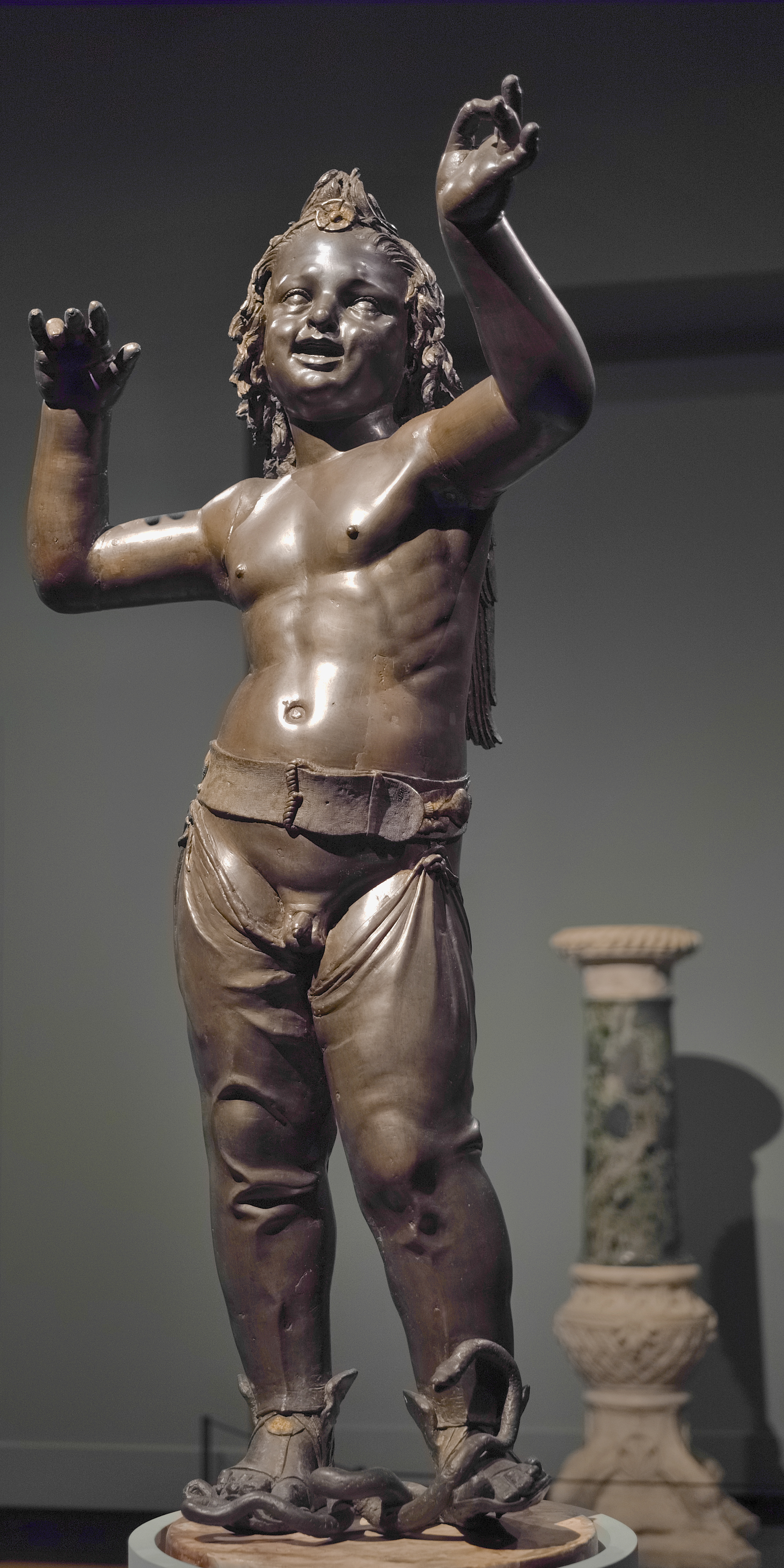
Atys-Amorino
Bronze sculpture combining attributes of Eros and Attis.
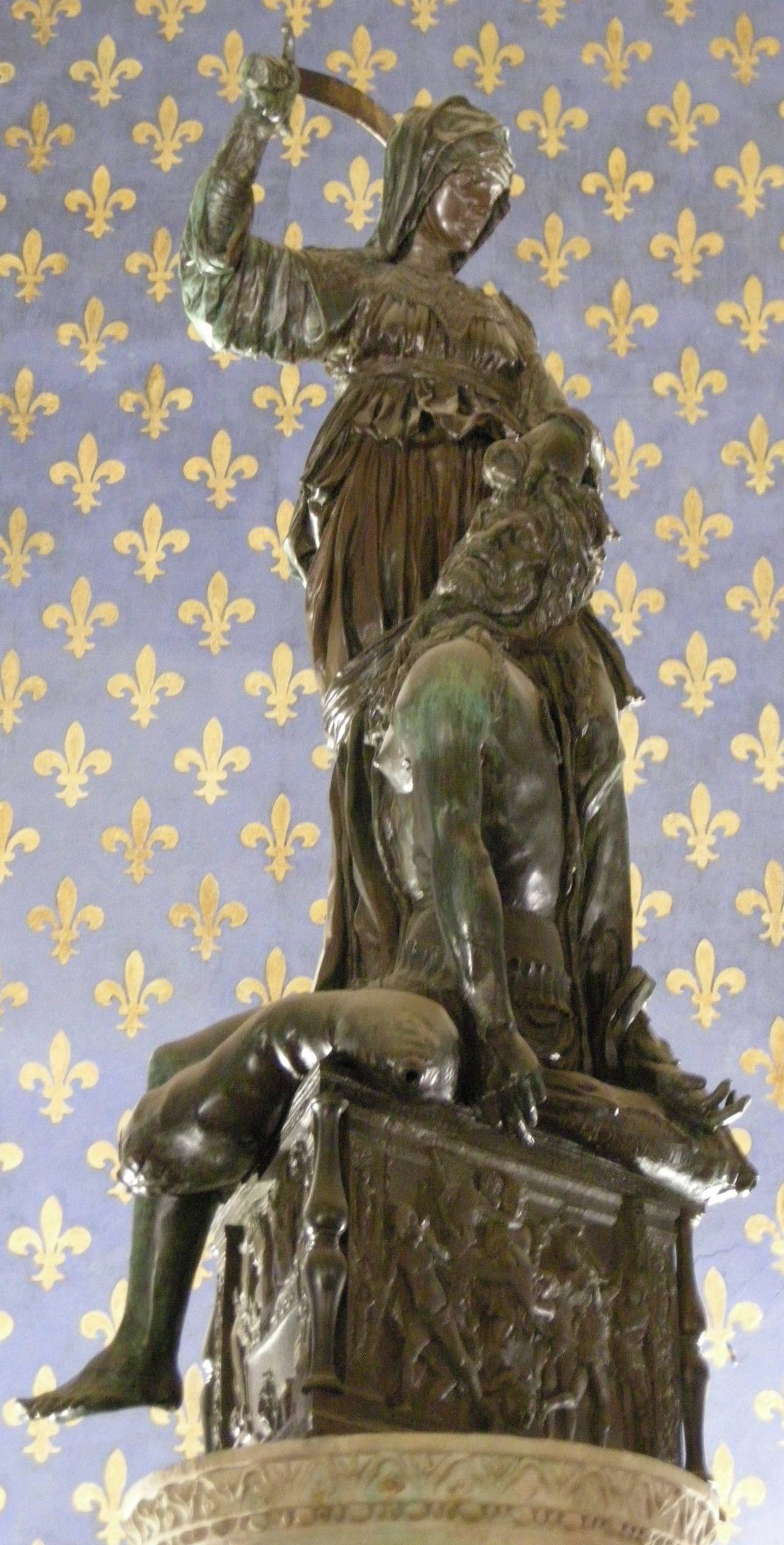
Judith and Holofernes Self-researched
Bronze sculpture by Donatello depicting the biblical heroine Judith beheading the Assyrian general Holofernes. Created toward the end of Donatello's career, it is located in the Sala dei Gigli (Hall of Lilies). A copy stands in one of the sculpture's original positions in the Piazza della Signoria.
Bronze Pulpits Self-researched
Donatello's final works, these two bronze pulpits in the nave of San Lorenzo depict the Passion and Resurrection of Christ with remarkable emotional intensity. The reliefs show scenes including the Crucifixion, Lamentation, Entombment, and Resurrection. The pulpits were completed by Donatello's workshop after his death in 1466, and some scholars believe the finish shows hands other than the master's. The expressive, almost tortured style of these late works differs markedly from Donatello's earlier, more classical manner. Donatello is buried in San Lorenzo, near Cosimo de' Medici, his longtime patron.